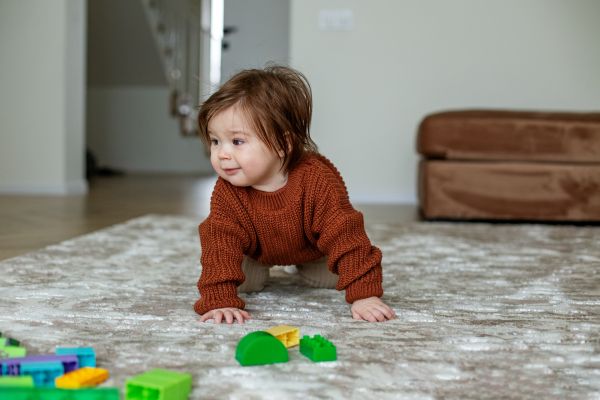

Crawling is one of those baby milestones that feels small and huge at the same time. One day, your baby is rocking on hands and knees, reaching for a toy just out of reach. Then suddenly, the room is no longer just a room. It becomes a whole new world to explore. The coffee table, the soft rug, the laundry basket, even your slippers—everything becomes interesting.
Baby crawling games can gently support this stage by making movement feel playful rather than pressured. The goal is not to force a baby to crawl before they are ready. Babies develop at their own pace, and some skip traditional crawling altogether. Still, simple floor-based games can help build strength, coordination, curiosity, and confidence. More than anything, they turn practice into connection.
Crawling often begins with little signs. A baby may push up during tummy time, pivot in circles, scoot backward, rock forward and back, or try to reach with one hand while balancing on the other. These movements are early building blocks. With a safe space, a patient adult, and a few engaging games, babies can enjoy the process of learning how their bodies move.
Creating a Safe Crawling Space
Before starting any crawling game, the space matters. Babies need room to stretch, roll, push, and wobble without bumping into sharp corners or slipping on slick floors. A soft rug, play mat, or clean carpeted area works well. The area should be free from small objects, loose cords, unstable furniture, and anything a baby could pull down.
It helps to get down on the floor and see the room from your baby’s level. That tiny button under the sofa or dangling charger cord suddenly looks much more noticeable. Once the space feels safe, your baby can move with more freedom, and you can relax a little too.
Bare feet often give babies better grip than socks, especially on smooth surfaces. Comfortable clothing also makes a difference. If pants are too tight or a dress keeps getting caught under the knees, movement becomes harder. Simple, flexible outfits usually work best.
Tummy Time Treasure Hunt
Tummy time is one of the earliest ways babies prepare for crawling. It strengthens the neck, shoulders, arms, back, and core. But many babies need a little encouragement to enjoy it, especially at first.
A tummy time treasure hunt keeps things simple. Place two or three safe, interesting objects around your baby while they lie on their tummy. A soft rattle, textured ball, crinkly cloth, or baby-safe mirror can work beautifully. Put one object slightly to the side, another just in front, and another within easy reach.
As your baby looks, reaches, and turns, they begin practicing small movements that later support crawling. They may push up on their arms, shift weight from side to side, or kick their legs with excitement. Keep the mood light. If your baby gets tired, pause and try again later. Short, happy sessions are better than long, frustrating ones.
Follow the Favorite Toy
Sometimes the simplest games are the most effective. Choose a toy your baby already loves and place it just a little beyond their reach. Not so far that it feels impossible, but far enough to invite effort.
At first, your baby may stretch one arm, wiggle, or roll toward it. Later, they may push backward by mistake, pivot in a circle, or lunge forward. All of this counts. Crawling does not appear fully formed overnight. It grows out of many tiny experiments.
You can make the game warmer by sitting nearby and encouraging gently. Say your baby’s name, tap the toy softly, or move it slightly to catch their attention. Avoid pulling the toy away once they get close. Let them succeed. That little moment of reaching and grabbing can build confidence.
Mirror Motivation
Babies are often fascinated by faces, especially their own reflection. A low, baby-safe mirror can turn floor time into a lovely crawling game.
Place the mirror in front of your baby during tummy time or while they are on hands and knees. Many babies will lift their heads, smile, pat the mirror, or try to move closer. This supports upper body strength and visual focus.
You can also sit beside the mirror so your baby sees both their reflection and your face. Make gentle expressions, smile, or play peekaboo from the side. The mirror adds interest without needing bright lights or noisy toys. It feels calm, but it still invites movement.
Parent Tunnel Game
For babies who are beginning to crawl or scoot, the parent tunnel game can be surprisingly fun. Sit on the floor with your legs stretched out or bent into a low tunnel shape. Place a favorite toy on the other side and encourage your baby to move toward it.
Some babies may crawl over your legs instead of under them. Others may stop halfway and laugh, pat your knee, or decide the tunnel itself is more interesting than the toy. That is fine. The point is to create a playful challenge that encourages movement, balance, and problem-solving.
You can also use cushions to create a soft path, but keep it low and safe. Babies do not need obstacle courses that are too complicated. A small challenge is enough.
Rolling Ball Chase
A lightweight ball can make crawling practice feel natural. Sit across from your baby and gently roll the ball toward them. Let them touch it, push it, or watch it move away. If they are ready, they may try to follow it.
Choose a ball that is large enough to be safe and easy to see. Soft fabric balls, textured baby balls, or lightweight plastic balls are often good options. Avoid anything too small or hard.
The magic of this game is movement. A ball does not stay still, so it encourages tracking, reaching, and eventually crawling after it. If the ball rolls too far, bring it back close. Babies can lose interest quickly if the goal feels out of reach.
Peekaboo Crawl
Peekaboo becomes even more exciting when it includes movement. Sit a short distance away from your baby and hide your face behind a scarf, cushion, or your hands. Call their name softly, then reveal your face with a smile.
For babies who are starting to crawl, this can become a gentle invitation to move closer. You can hide behind the edge of a sofa, a play tunnel, or a large cushion, always staying visible enough that your baby feels secure. The idea is not to startle them but to spark curiosity.
Peekaboo crawling also supports emotional connection. Your baby learns that you disappear and come back, which can be comforting during this stage of growing independence. They are moving away from you physically, but still checking in with your face, voice, and presence.
Cushion Path Adventure
A soft cushion path can help babies explore different surfaces. Place a few flat cushions, folded blankets, or firm pillows on the floor with small gaps between them. Keep the path low and stable, not wobbly or high.
Let your baby crawl, scoot, or climb gently across the textures. Some babies enjoy the feeling of moving from rug to blanket to cushion. Others may pause and pat each surface. This is still useful sensory play.
The cushion path should be simple. Too many obstacles can frustrate a baby who is still learning. A small change in texture or height is enough to build body awareness and coordination.
Sound Search Game
Babies often turn toward sound before they move toward objects. You can use this natural interest in a sound search game.
Take a soft rattle, crinkly toy, or container filled securely with dry rice, and make a gentle sound near your baby. Place it slightly to one side, then let your baby look and reach. If they begin moving toward it, give them time. Do not rush to hand it over immediately.
This game encourages listening, turning, reaching, and shifting weight. It also helps babies connect sound with location. Keep the sounds soft and pleasant. Loud or sudden noises can overwhelm rather than motivate.
Crawling Toward You
One of the best crawling games does not require any toy at all. Sit a short distance away, open your arms, and invite your baby toward you. Use a warm voice, smile, and let them come at their own pace.
For many babies, a parent or caregiver is the strongest motivation. They may crawl a few inches, pause, grin, and then continue. When they reach you, offer a hug, a cheer, or a quiet cuddle. The reward is connection.
This game works especially well when your baby is already experimenting with movement. If they are not ready yet, simply lying near them, talking, and encouraging reaching can still support development.
Knowing When to Pause
Crawling practice should never feel like a workout session. Babies get tired. Their arms shake, their heads lower, and their mood changes quickly. If your baby fusses, arches away, rubs their eyes, or seems frustrated, it is time to stop.
A few minutes of enjoyable play can be more valuable than a long session that ends badly. You can try again later in the day when your baby is rested, fed, and alert. Progress often happens quietly. One week your baby may only rock on hands and knees. The next week they may suddenly move forward.
It is also worth remembering that every baby moves differently. Some crawl on hands and knees. Some army crawl. Some scoot on their bottoms. Some roll from place to place before finding their own style. If you ever feel concerned about your baby’s movement, it is best to speak with a pediatric professional.
Supporting Crawling Through Everyday Play
Baby crawling games work best when they feel relaxed and natural. You do not need a strict schedule or a room full of special equipment. A favorite toy, a soft ball, your smiling face, and a safe patch of floor can offer plenty of opportunity.
The real purpose of these games is not just to reach the crawling milestone. It is to help babies enjoy movement, trust their bodies, and feel encouraged as they explore. Crawling is physical, yes, but it is also emotional. A baby learns, “I can try. I can move. I can get closer to what interests me.”
That confidence grows through small moments. A reach. A wiggle. A push. A tumble onto the tummy, followed by another try.
A Gentle Conclusion on Crawling Play
Crawling opens a new chapter in a baby’s life. It gives them a little more independence and a much bigger view of the world. Through simple games, parents and caregivers can support that journey without pressure or hurry.
The best baby crawling games are safe, playful, and responsive. They follow the baby’s pace rather than forcing a timeline. Whether your baby is reaching for a toy, chasing a rolling ball, crawling through your legs, or moving toward your open arms, each small effort matters.
In the end, crawling is not just about getting from one place to another. It is about discovery. It is about strength, curiosity, and the sweet excitement of realizing that the world is suddenly within reach.