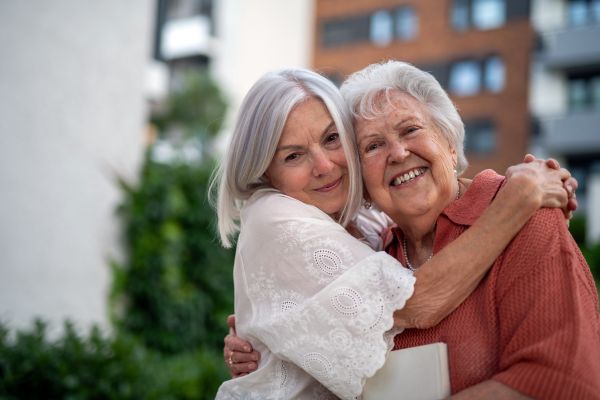

Let’s be real for a second. In a world that moves fast, scrolls endlessly, and often keeps generations in their own little bubbles, something important gets lost along the way. That something is connection. Not the Wi-Fi kind, but the human kind. The kind that happens when grandparents, parents, children, and even great-grandparents genuinely spend time together. That’s where the Benefits of intergenerational bonding really come to life.
Intergenerational bonding isn’t just about family dinners or holiday gatherings. It’s about meaningful relationships across age groups, shared experiences, learning from one another, and building emotional bridges that last a lifetime. And honestly, the impact runs deeper than most people realize.
So let’s talk about why these connections matter, how they shape us, and why nurturing them might be one of the healthiest things we can do for ourselves and for future generations.
Understanding What Intergenerational Bonding Really Means
Before diving into the benefits, it helps to clarify what intergenerational bonding actually looks like in everyday life. At its core, it’s the relationship and interaction between people of different generations. Think kids learning life lessons from grandparents, teenagers teaching older relatives how to use smartphones, or adults rediscovering patience through conversations with elders.
The thing is, intergenerational bonding doesn’t require perfection. It doesn’t need fancy plans or forced conversations. Sometimes it’s just sitting together, sharing stories, laughing over mistakes, or quietly enjoying the moment. Those simple interactions are often the most powerful.
And that’s where the benefits start to unfold.
Emotional Strength Grows Through Shared Generational Connections
One of the most powerful Benefits of intergenerational bonding is emotional resilience. When people of different ages connect, emotional support flows both ways. Younger individuals feel grounded knowing they have guidance and unconditional love from older generations. Older adults, on the other hand, feel valued, needed, and emotionally fulfilled.
For children, these bonds create a strong sense of security. Knowing that someone older believes in them, listens to them, and understands their fears can shape their confidence for years to come. For seniors, staying emotionally connected helps fight loneliness and feelings of isolation, which are surprisingly common as people age.
And let’s not overlook adults in the middle. Parents, caregivers, working professionals. Intergenerational bonding often provides emotional balance, reminding them they’re not alone in navigating life’s chaos.
How Intergenerational Bonding Supports Mental Well-Being
Mental health is something we all talk about more openly now, which is a good thing. But here’s what doesn’t get enough attention. The Benefits of intergenerational bonding play a major role in mental well-being across all ages.
For older adults, regular interaction with younger people keeps the mind active. Conversations, storytelling, teaching, and problem-solving stimulate memory and cognitive function. It gives the brain a reason to stay sharp.
For younger generations, especially kids and teens, intergenerational relationships help reduce anxiety and stress. There’s something calming about talking to someone who has lived through challenges, survived setbacks, and still found joy. It puts things into perspective.
You know how sometimes advice from peers feels overwhelming? Advice from an elder often feels steadier. Less pressure. More wisdom.
Learning Goes Both Ways, and That’s the Beauty of It
One of the most underrated Benefits of intergenerational bonding is how much learning happens in both directions. It’s not just elders teaching the young. It’s mutual.
Older generations pass down life lessons, traditions, values, and practical skills. Things that aren’t always found on Google. How to handle disappointment. How to stay patient. How to show up for people even when it’s inconvenient.
At the same time, younger generations bring fresh perspectives. They introduce new ideas, technologies, cultural shifts, and ways of thinking. This exchange keeps everyone adaptable and open-minded.
The thing is, when generations learn from each other, stereotypes start to fade. Younger people realize aging isn’t something to fear. Older people realize change isn’t something to resist. That mutual respect changes everything.
Intergenerational Bonding Strengthens Identity and Belonging
Everyone wants to feel like they belong. It’s human nature. And one of the deepest Benefits of intergenerational bonding is the sense of identity it creates.
Children who grow up connected to older relatives often have a stronger understanding of who they are and where they come from. Family stories, cultural traditions, and shared histories help them feel rooted. It’s not just “this is my family,” but “this is my story.”
For adults and seniors, passing down memories and experiences reinforces purpose. It reminds them that their life mattered, that their experiences hold value. That sense of contribution boosts self-worth in a big way.
And honestly, in a world that sometimes feels disconnected, that feeling of belonging can be life-changing.
Building Stronger Families Through Generational Bonds
Families that prioritize intergenerational bonding often experience stronger relationships overall. Communication improves. Empathy increases. Conflicts become easier to navigate because there’s a deeper understanding of one another.
The Benefits of intergenerational bonding within families show up in everyday moments. Shared meals become meaningful. Conversations go beyond surface-level talk. Traditions feel alive instead of routine.
When kids see adults and elders interacting with respect, they learn how to communicate better themselves. When adults witness elders showing patience and grace, they’re reminded to slow down. These small lessons quietly shape family dynamics over time.
Social Skills and Empathy Develop Naturally
Spending time with people of different ages naturally builds social awareness. Younger individuals learn how to listen, adapt, and communicate respectfully. Older adults stay socially engaged and emotionally open.
One of the subtle Benefits of intergenerational bonding is empathy. When you hear someone else’s life story, struggles, and victories, it’s hard not to care. It broadens emotional intelligence in a way no textbook ever could.
And let’s be honest, empathy is something the world could use a lot more of right now.
Intergenerational Bonding Encourages Healthier Aging
Healthy aging isn’t just about physical health. Emotional and social health matter just as much. Regular interaction with younger generations keeps older adults active, motivated, and mentally stimulated.
The Benefits of intergenerational bonding often include improved mood, increased movement, and even better physical habits. When seniors feel connected, they’re more likely to stay engaged in life, participate in activities, and maintain routines.
At the same time, younger people gain a healthier perspective on aging. It becomes less about fear and more about continuity. Life doesn’t end at a certain age. It evolves.
Why Communities Thrive When Generations Connect
Intergenerational bonding doesn’t only benefit families. Communities thrive when different age groups interact regularly. Neighborhoods feel safer. Social trust grows. Cultural values stay alive.
The Benefits of intergenerational bonding at a community level include reduced isolation, stronger support systems, and shared responsibility. When generations collaborate, whether through volunteering, mentoring, or simply spending time together, everyone wins.
Communities become places where people look out for one another, regardless of age.
Creating Intergenerational Bonds in Everyday Life
You don’t need grand plans to experience the Benefits of intergenerational bonding. It starts with intention. Making time. Being present.
Conversations matter. Listening matters. Showing genuine curiosity about someone else’s experience matters. Whether it’s a weekly call, shared hobby, or casual visit, consistency builds trust.
And yes, sometimes it feels awkward at first. Different generations don’t always speak the same language. But that’s part of the beauty. Growth happens in that space.
Final Thoughts on the Benefits of Intergenerational Bonding
At the end of the day, the Benefits of intergenerational bonding go far beyond warm feelings and family traditions. They shape emotional health, mental resilience, identity, empathy, and community strength. They remind us that life isn’t meant to be lived in age-based silos.
Connecting across generations helps us slow down, see the bigger picture, and appreciate the value in every stage of life. It teaches patience. It builds understanding. And honestly, it makes life feel richer.
So whether you’re young, old, or somewhere in between, take a moment to reach across the age gap. Listen to a story. Share a laugh. Ask a question. Those connections? They matter more than you think.