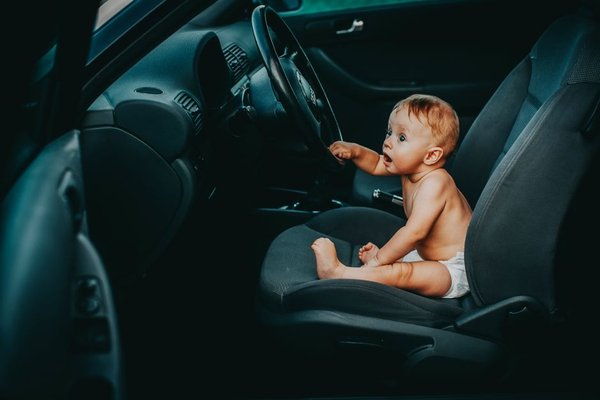

Travelling by car with a young baby can feel like a military operation, especially when the journey is longer than the usual trip to the shops. The good news is that the right preparation makes a real difference. The most useful road trip essentials for baby are not novelty gadgets, but a safely fitted car seat, realistic break planning, easy access to feeding and changing supplies, and a calm approach when the schedule shifts.
Start With Safe, Correctly Fitted Car Travel
Your car seat is the most important item on any road trip packing list. Choose a seat that is approved for your baby’s height or weight, fits your vehicle properly and is installed exactly as the manufacturer directs. In the UK, height-based R129 seats must remain rear-facing until a child is over 15 months old. The NHS recommends keeping children rear-facing for as long as they still fit the seat because this position offers better protection in a collision.
The back seat is generally the safest place for an infant. Never place a rear-facing baby seat in front of an active frontal airbag. Check that the seat is secure, the harness lies flat without twists and the straps are adjusted for your baby’s clothing. Bulky coats or padded snowsuits can create slack, so use thin layers and place a blanket over the secured straps if extra warmth is needed.
Plan Infant Car Breaks Before You Leave
A road trip with an infant should not be planned like an adult-only drive. Babies need regular time out of the car seat, and young or premature babies may be more vulnerable if their head falls forward and affects their breathing. There is no single evidence-based time limit that suits every baby, so avoid treating a stopwatch rule as a guarantee of safety. Build frequent stops into the route and follow advice from your baby’s healthcare team or car-seat manufacturer.
At each stop, take your baby fully out of the seat, check their position and temperature, offer a feed if needed and allow time for a nappy change. If your baby slumps forward during the journey, pull over somewhere safe as soon as possible, remove them from the seat and sit them upright before continuing. At your destination, take them out even if they are asleep; a car seat is for safe travel, not as a main sleep space.
Build a Practical Road Trip Packing List
Feeding Supplies Within Easy Reach
Pack feeding items in a separate bag that stays inside the cabin rather than in the boot. Depending on how your baby is fed, this may include prepared bottles stored safely, measured formula, sterilised equipment, breast pads and muslin cloths. Plan to stop before feeding rather than attempting to feed a baby while the vehicle is moving. A proper break is safer and usually less stressful.
Bring more milk or feeding supplies than the journey should require. Traffic, road closures and unsettled periods can add hours to a trip, and one extra feed provides useful flexibility.
Nappies, Changing Gear and Spare Clothes
A compact changing kit should include nappies, wipes or cotton wool, a foldable changing mat, nappy bags and barrier cream if you normally use it. Keep at least two complete outfit changes for the baby and a spare top for the adult sitting nearby. Leaks, dribbled milk and travel sickness are easier to manage when clean clothing is close at hand.
Pack wet or dirty clothes in sealable bags. A small towel is also useful for protecting a seat, covering a public changing surface or dealing with a larger spill.
Comfort Without Unsafe Clutter
For comfortable car travel with baby, choose a few familiar items rather than filling the seat area with accessories. A dummy, if your baby uses one, a lightweight blanket and one soft toy may be enough. Do not add unapproved head supports, thick liners, strap covers or cushions that did not come with the car seat, as they can change how the restraint performs.
Use sunshades that attach securely and do not obstruct the driver’s view. Dress your baby in breathable layers and check their chest or the back of their neck to judge warmth. Remove hats and extra outdoor clothing inside the car, and never leave a baby unattended in a parked vehicle.
Make the Journey Easier for the Adults
Save your route offline, check fuel or charging stops, and identify service areas with toilets and changing facilities. Keep water, snacks, a phone charger and cleaning supplies available. Travelling when your baby is usually settled may help, but do not depend on sleep lasting for the whole journey.
Having a second adult sit near the baby can make monitoring and soothing easier. When travelling alone, a correctly positioned baby mirror may help, but it should never distract the driver. If the baby needs attention, stop safely rather than reaching backwards while driving.
Prepare for Delays and Minor Problems
Add a small health kit containing prescribed medicines, a digital thermometer and useful NHS or GP contact details. Carry your baby’s red book if it may be relevant. If your baby was premature, has breathing concerns or has recently been unwell, ask an appropriate healthcare professional about the journey before travelling.
Keep documents, accommodation details and breakdown-cover information together. A flexible itinerary is often more valuable than another bag of equipment, because extra feeds, traffic and unplanned stops are normal parts of travelling with a baby.
Frequently Asked Questions
How often should I stop on a road trip with an infant?
Plan frequent breaks that allow your baby to come fully out of the car seat. There is no universal evidence-based limit for every infant, so consider your baby’s age, health, the seat manufacturer’s guidance and professional advice. Very young or premature babies may need shorter journeys and closer monitoring.
Can my baby sleep in the car seat during the drive?
It is normal for a baby to fall asleep while the car is moving. Monitor their position, take regular breaks and remove them from the seat when the journey ends. At your destination, move them to a firm, flat sleep surface.
What should stay in the cabin rather than the boot?
Keep feeds, nappies, wipes, spare clothes, muslins, medicines, water and one comfort item close at hand. Store loose items securely so they cannot become a hazard during sudden braking.
Do I need special car-seat accessories?
Usually not. Use only accessories supplied or approved by the car-seat manufacturer. Extra padding, head supports and thick covers may interfere with the harness or change the seat’s performance.
A Calmer Road Trip Starts With Simple Preparation
The most effective road trip essentials for baby are safety, access and flexibility. Fit the rear-facing seat correctly, keep the harness clear of bulky clothing, schedule regular infant car breaks and organise supplies so important items are easy to reach. With extra time built into the route and realistic expectations, a long car journey can feel less like a test of endurance and more like the beginning of the trip itself.