Where Did All Your Money Go? (Hint: Probably Not Where the Good Stuff Is)

Photo: A Vahanvaty from Dubai, UAE, CC BY-SA 2.0, via Wikimedia Commons
The Bill Arrives and the Buzz Is Already Gone
You splurged on those concert tickets three months in advance. You booked the trendy rooftop brunch spot everyone's been talking about. You finally caved and bought the sneakers your algorithm had been dangling in front of you for weeks. And then — almost immediately after — something quietly deflated. Not misery, exactly. Just... nothing. A faint sense that you paid a lot for a feeling that didn't quite show up.
If that sounds familiar, you're not alone and you're definitely not broken. What you're experiencing has a name in psychology circles: the affective forecasting gap. Basically, humans are pretty terrible at predicting what will actually make them feel good. We imagine the joy of a purchase or experience in vivid, optimistic detail — and then real life delivers a much flatter version of that fantasy. Scientists have been documenting this for decades. We keep doing it anyway.
Call it the joy tax. It's the invisible premium we pay — in dollars, time, and energy — chasing a version of happiness that keeps moving just out of reach.
Why We Overspend on the Wrong Things
American consumer culture is practically engineered to exploit this gap. Ads don't just sell products — they sell the feeling a product promises to unlock. Buy this skin care set and feel radiant. Book this vacation and finally feel free. Upgrade your kitchen and suddenly love cooking again. The pitch is always about an emotional transformation, and we buy into it because, honestly, we want to believe it.
There's also social pressure doing a lot of heavy lifting here. When your coworkers are swapping stories about their weekend trips to Nashville or their new Peloton, it's easy to assume their lives are fuller and more satisfying than yours. So you match the spending to match what looks like happiness from the outside. Instagram didn't invent this dynamic, but it certainly put it on steroids.
And then there's what researchers call hedonic adaptation — the infuriating way our brains normalize new things almost immediately. The excitement of a new car fades within weeks. The thrill of a new apartment becomes just... where you live. We adapt so quickly that the expensive thing we saved up for is emotionally obsolete before the credit card bill even arrives.
The Free Stuff That's Actually Delivering
Here's where it gets interesting — and a little humbling. Study after study on well-being consistently finds that the experiences and activities most strongly linked to genuine, lasting happiness are overwhelmingly low-cost or completely free.
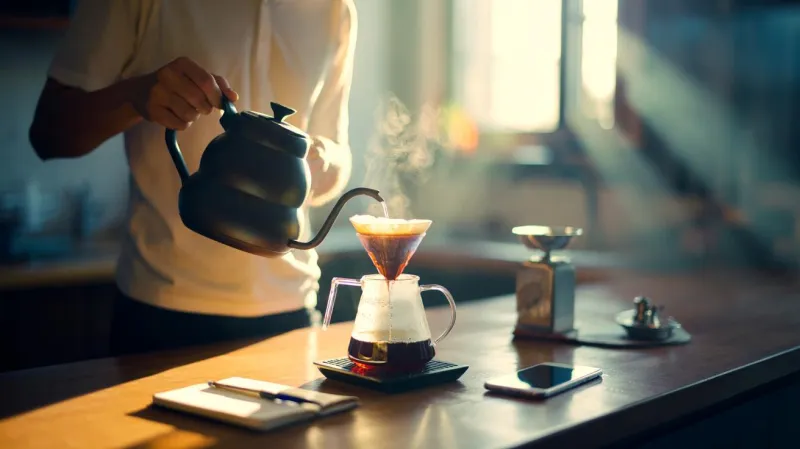
Spending time in nature. Having real, unhurried conversations with people you actually like. Moving your body in a way that feels good rather than punishing. Making something with your hands. Laughing until you can't breathe. Sitting outside with a cup of coffee and no agenda.
These aren't revolutionary discoveries. Most of us have felt this — that Sunday morning walk that left you genuinely refreshed in a way the expensive spa day somehow didn't. The dinner at a friend's house where you talked for four hours and drove home feeling weirdly full of life. The afternoon you spent reorganizing a corner of your home and felt inexplicably proud.
The joy was real. It just didn't cost anything, so we tend not to take it seriously as a strategy.
Your Personal Joy Audit (No Spreadsheet Required)
You don't need to become a minimalist or swear off fun spending forever. But it's worth getting honest with yourself about where your money is actually going versus where your genuine happiness is coming from.
Try this: for one week, keep a loose mental (or actual) log of the moments when you felt most alive, most at ease, or most genuinely content. Don't overthink it — just notice. Then, at the end of the week, look at what you spent money on and ask yourself how much overlap there is between those two lists.
For most people, the overlap is surprisingly small.
Maybe your happiest moment was a long phone call with your sister while folding laundry. Maybe it was finding a new song you loved and playing it six times in a row. Maybe it was the Tuesday evening you cooked something from scratch and the whole apartment smelled incredible. None of that cost you much. But the $180 dinner that was supposed to be a treat? Honestly kind of forgettable.
This isn't about guilt. It's about getting smarter with your own happiness.
Redirecting Without Depriving Yourself
Once you start noticing where your real joy comes from, you can make small, intentional shifts — not dramatic lifestyle overhauls, just gentle redirects.
Maybe you scale back on the impulse online shopping and use that money to take a class in something you've always been curious about. Maybe you stop booking expensive group dinners out of obligation and start protecting Sunday mornings for the solo walk that genuinely recharges you. Maybe you unsubscribe from a few services you barely use and reinvest that fifteen bucks a month into something that actually maps to your real pleasures — good coffee, a used book, a plant for your windowsill.
The goal isn't deprivation. It's precision. Spending less on the things that don't move the needle so you have more — money, time, energy — for the things that do.
The Radical Act of Valuing What's Already Working
There's something quietly countercultural about deciding that the cheap, simple, unglamorous things in your life are worth protecting and prioritizing. Consumer culture needs you to believe that happiness is always one purchase away. It doesn't have a lot of use for someone who's figured out that a long walk, a good playlist, and a conversation with someone they love is genuinely enough.
But that's the whole point of enjoying the life you already have, baby. Not the life you're saving up for or performing for other people — the one happening right now, in the small moments that don't photograph well but feel, in your chest, completely real.
Your joy doesn't have to come with a price tag. In fact, the best of it probably doesn't.