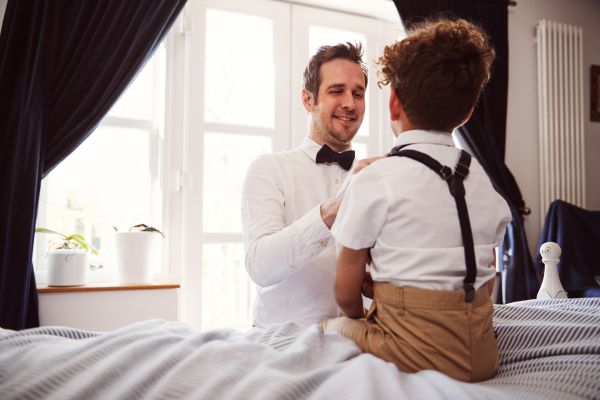

There is something undeniably warm about seeing a family dressed in a way that feels connected. It might be a shared color, a familiar pattern, or simply a collection of outfits that look as though they belong in the same photograph. Matching family holiday outfits have become a seasonal tradition for many households, but the most memorable looks are rarely the most identical. They are the ones that feel comfortable, personal, and true to the people wearing them.
The idea does not have to mean everyone appears in the same sweater from head to toe. In fact, a little variety often makes the result feel more natural. The goal is to create visual harmony without making anyone feel as though they are wearing a costume. With thoughtful colors, textures, and small repeating details, a family can look coordinated while still allowing each person to keep their own style.
Start with a Holiday Color Story
Choosing a color palette is often the easiest place to begin. Instead of searching for one exact outfit in several sizes, select three or four shades that work well together. Traditional holiday colors such as deep red, forest green, cream, gold, and navy remain popular because they instantly create a festive mood. Softer options, including dusty blue, warm beige, muted burgundy, and pale grey, can feel just as seasonal while offering a more relaxed look.
A simple palette gives each family member room to choose something flattering. One person might wear a green dress, another a cream sweater, and someone else a plaid shirt containing both shades. The outfits still feel connected, even though no two are identical.
This approach also makes it easier to work with clothing already hanging in the wardrobe. A familiar cardigan or pair of trousers may fit the palette perfectly, reducing the need to buy a completely new outfit for everyone.
Coordinate Rather Than Copy
Perfectly identical clothing can be charming for young children, but it is not always practical for an entire family. Different ages, body shapes, and personal tastes call for different styles. Coordination allows those differences to become part of the final look.
For example, a parent might wear a velvet top while a child wears a cotton dress in the same color. Another family member could choose a neutral sweater with a scarf that repeats the shared shade. These small connections are enough to make the outfits look intentional.
Matching family holiday outfits work best when they create a visual relationship rather than strict uniformity. The result feels polished, but nobody disappears into the theme.
Let One Pattern Lead the Look
A festive pattern can act as the foundation for the whole family’s wardrobe. Plaid, tartan, winter checks, subtle snowflakes, and small seasonal prints all provide useful colors to build around.
Choose one patterned piece first, such as a child’s dress, a parent’s shirt, or a scarf. Then pull solid colors from that pattern for everyone else. If the plaid contains navy, cream, and red, those shades can be repeated across sweaters, trousers, skirts, and accessories.
Keeping the pattern limited to one or two people prevents the group from looking too busy. It also allows the eye to move naturally through a family photograph. Too many competing prints can make an otherwise thoughtful arrangement feel crowded.
Use Texture to Create Warmth
Holiday clothing often looks especially inviting when it includes a mixture of textures. Knits, velvet, corduroy, denim, wool, lace, and soft cotton can add depth even when the color palette is simple.
A family dressed entirely in cream and brown, for instance, can still look visually interesting if one person wears a chunky knit, another wears corduroy, and a child wears a soft cotton romper. Texture keeps neutral outfits from appearing flat.
It also adds to the emotional feeling of the season. A thick cardigan, brushed scarf, or velvet bow suggests warmth and comfort before anyone even notices the details.
The key is moderation. A few textured pieces create richness, while too many dramatic fabrics may compete for attention.
Consider the Setting Before Choosing Clothes
The location matters more than it may initially seem. An outfit that looks lovely beside a decorated fireplace may feel out of place during an outdoor walk through winter trees. Before finalizing the clothing, think about where the family will spend the occasion or take photographs.
For indoor gatherings, softer fabrics and slightly dressier pieces often work well. Velvet dresses, tailored trousers, fine-knit sweaters, and subtle metallic details can feel festive without becoming uncomfortable.
Outdoor settings call for layers, practical footwear, and warm accessories. Coats, boots, scarves, and hats become part of the visual story, so they should be considered rather than treated as last-minute additions.
A coordinated family can still look connected while dressed for the weather. Similar coat tones, matching scarves, or repeated knit textures can carry the theme without sacrificing comfort.
Give Children Room to Move
Children rarely stay perfectly still during holiday gatherings. They sit on the floor, chase cousins, climb onto furniture, and become deeply interested in decorations they were asked not to touch. Their clothes need to support that movement.
Soft fabrics, comfortable waistbands, secure shoes, and easy layers are often better than stiff formalwear. A child who feels comfortable is far more likely to smile naturally in photographs and enjoy the day.
For babies and toddlers, avoid clothing with scratchy seams, heavy embellishments, or accessories that constantly slip out of place. A simple romper in the family color palette may photograph better than an elaborate outfit that causes irritation.
Comfort does not weaken the coordinated look. It often improves it by allowing everyone to appear relaxed.
Add Matching Details Instead of Full Outfits
Sometimes the easiest way to create unity is through accessories. Matching socks, hair bows, scarves, suspenders, ties, headbands, or even similar shoes can bring different outfits together.
This is especially useful when family members have strong personal preferences. Someone who does not want to wear a festive sweater may be happy to add a burgundy scarf or patterned tie. Teenagers may prefer a subtle color connection rather than an obviously matching outfit.
Small details can also be reused after the holiday, which makes the styling feel more practical. A simple velvet ribbon or checked scarf can become part of everyday winter clothing rather than something worn once and forgotten.
Keep the Overall Look Balanced
When planning several outfits, it helps to lay everything out together before the holiday. Place the clothes on a bed or floor and look at them as a group. This makes it easier to spot colors that feel too dominant, prints that clash, or pieces that seem unrelated.
If one outfit is particularly bold, keep the others quieter. A bright red dress may look beautiful when surrounded by cream, navy, and soft grey. If everyone wears equally strong colors, the final result may feel overwhelming.
Balance also applies to formality. One person in a highly formal outfit can look disconnected if everyone else is wearing casual knitwear. The clothes do not have to be identical, but they should suggest the same kind of occasion.
Avoid Making the Theme Too Perfect
Some of the most appealing family holiday looks include small differences. A child may insist on wearing favorite shoes. A baby may lose one sock before the photograph. Someone’s sweater may be slightly darker than expected. These details do not ruin the effect.
Trying to control every element can make the process stressful, especially when several people are involved. A coordinated palette and shared mood are usually enough. The family itself provides the connection.
There is also something more genuine about outfits that look lived in. Holiday memories are rarely perfectly arranged. They are filled with movement, noise, last-minute changes, and people adjusting sleeves just before the camera clicks.
Choose Clothing That Still Feels Like Your Family
Seasonal style should never completely replace personal identity. If your family usually dresses casually, there is no need to suddenly adopt formal outfits simply because it is a holiday. Coordinated jeans, soft sweaters, and winter boots can look just as thoughtful as dresses and tailored jackets.
Likewise, a family that enjoys dressing up may prefer rich fabrics, polished shoes, and classic accessories. Both approaches can work beautifully.
The strongest matching family holiday outfits reflect the people wearing them. They create a sense of togetherness without making anyone feel unfamiliar or uncomfortable.
A Tradition Built Around Togetherness
Family holiday clothing is ultimately less about matching and more about belonging. Shared colors, repeating patterns, and familiar textures help create a visual sense of connection, but the real meaning comes from the people inside the clothes.
A thoughtful outfit can make a photograph feel special, yet it is the laughter, movement, and imperfect moments that give the image lasting value. Years later, the family may not remember exactly how the colors were chosen or who objected to wearing a scarf. They will remember being together.
That is what makes matching family holiday outfits worth planning. They are not simply a seasonal style choice. They become part of the memory itself.