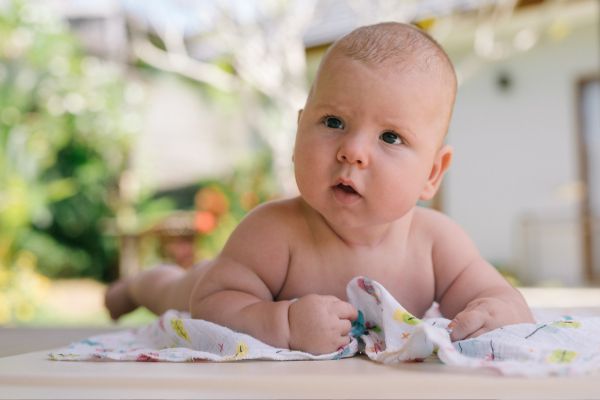

A baby changes so quickly during the first year that the differences can feel almost invisible from one day to the next. Parents are busy feeding, soothing, changing clothes, cleaning bottles, and trying to get enough sleep. Then one month ends, another begins, and suddenly the baby looks taller, more alert, and completely different from the tiny newborn who first came home.
A monthly baby photo shoot at home offers a simple way to notice and preserve those changes. It does not require professional equipment, an elaborate backdrop, or a perfectly styled nursery. A bright window, a familiar blanket, and a few quiet minutes can be enough to create meaningful photographs.
The goal is not to produce twelve identical, flawless portraits. It is to document growth, personality, and the ordinary details that might otherwise be forgotten.
Why Monthly Baby Photos Become So Valuable
During the first year, development happens at an extraordinary pace. A baby may move from sleepy newborn expressions to wide smiles, steady sitting, crawling, clapping, and even first steps within twelve short months.
Monthly photographs make these stages easier to see. When the images are placed side by side, small changes become obvious. The baby’s face becomes more expressive. Hair grows. Hands become chubbier, then more active. Clothing fits differently. The child begins interacting with the setting rather than simply lying in it.
These pictures also preserve details that memory tends to blur. Parents may forget which month the baby started grabbing their toes or when the serious newborn stare turned into a mischievous grin. A photograph brings the moment back with surprising clarity.
Choosing One Consistent Location
Using the same general location each month helps create a visual story. The baby changes while the surroundings remain familiar, making growth easier to notice.
A bed near a window, a nursery rug, a plain section of wall, or a comfortable armchair can all work well. The space does not need to look like a studio. It only needs enough natural light and room for the baby to lie, sit, or move safely.
Consistency does not mean the setup must stay exactly the same. In the early months, the baby may lie on a blanket. Later, the same space can be used for sitting, crawling, or supported standing. The changing pose naturally reflects development.
Choose an area that is easy to prepare. A complicated setup may feel exciting during the first month but difficult to repeat when family life becomes busy.
Working with Natural Light
Good light matters more than an expensive camera. Soft daylight creates gentle skin tones and reduces harsh shadows.
Place the baby near a large window, ideally facing toward the light or turned at a slight angle. Morning light often feels fresh and even, while late afternoon light can create a warmer mood. The best time depends on the direction of the window and how sunlight moves through the room.
Direct sunlight may be too strong, especially if it creates bright patches across the baby’s face. A sheer curtain can soften the light. Turning off ceiling lamps may also help because artificial lighting can create uneven colors.
Before beginning, take a quick test photo. If one side of the face looks much darker, move the baby slightly closer to the window or adjust the angle.
Creating a Simple Repeating Background
A repeating background gives the monthly series a connected look. Neutral blankets, plain bedding, woven rugs, and simple fabric backdrops tend to work well because they do not distract from the baby.
Soft cream, beige, pale grey, muted blue, dusty rose, and gentle earth tones photograph naturally. Patterns can also work, but large or busy prints may compete with facial expressions.
Using the same blanket each month has an emotional advantage too. In the first photographs, the baby may look tiny against it. By the final months, the child may fill most of the frame, pull at the fabric, or crawl away from it entirely.
Wrinkles do not have to be removed completely. A little texture can make the setting feel comfortable and real rather than overly staged.
Adding a Clear Monthly Marker
A monthly marker helps identify the baby’s age and gives the series structure. Wooden discs, printed cards, fabric numbers, letter boards, or simple paper signs are easy to place beside the baby.
The marker should be readable without becoming the main subject. Place it near the baby’s shoulder, hands, or feet, depending on the pose. As the baby becomes more active, the sign may be grabbed, turned over, or chewed. Those moments can be part of the photograph rather than a problem.
Some parents include extra information such as weight, height, favorite food, new skills, or current habits. A short note like “loves bath time” or “started crawling” adds personality and may become more meaningful than the age alone.
Keep written details brief so the image does not feel crowded.
Planning Outfits That Show Growth
Clothing can either remain consistent or change with each month. Both approaches create different kinds of visual stories.
Using the same style of plain onesie allows physical growth to stand out. The baby’s body becomes longer, posture changes, and movement becomes more confident. Another option is to choose clothing that reflects the season, a family celebration, or the baby’s developing personality.
Comfort should always come first. Soft fabrics, simple fastenings, and flexible clothing make it easier for babies to move naturally. Tight headbands, stiff collars, scratchy lace, or complicated costumes may quickly lead to tears.
Bare feet often look natural and help document tiny toes, especially during sitting and crawling stages. Keep a backup outfit nearby in case of spills, drooling, or sudden nappy accidents.
Photographing the Baby’s Development Naturally
The pose should change as the baby grows. Newborns can be photographed lying safely on their backs. Around the middle of the year, supported sitting may become possible. Later sessions can include crawling, standing near furniture, or reaching for familiar objects.
Never force a milestone that the baby has not reached independently. A child who cannot sit steadily should not be balanced in position for the sake of a photograph. The monthly image should reflect real development, not create an unsafe imitation of it.
Photograph the baby as they are. A serious expression, sleepy face, excited kick, or attempt to roll away can be just as meaningful as a smile.
The changing behavior is part of the story. Early photographs may feel quiet, while later ones may become energetic and unpredictable.
Keeping the Session Short and Calm
A monthly baby photo shoot at home works best when it follows the baby’s routine rather than disrupting it.
Choose a time after a nap and feeding, when the baby is alert and comfortable. Avoid starting when the child is hungry, overtired, or close to bedtime. Even with good timing, moods can change quickly.
Prepare the background, outfit, marker, and camera before bringing the baby into the space. This reduces waiting and keeps the session brief. Ten or fifteen minutes may be plenty.
If the baby becomes upset, pause. A photograph taken later in the day or even the following morning will still represent the same stage. There is no benefit in continuing until everyone feels frustrated.
Using Toys and Familiar Objects
A favorite toy can help attract the baby’s attention and create a sense of scale. The same stuffed animal photographed each month may begin almost as large as the newborn and later become something the baby can easily hold.
Small books, soft rattles, wooden toys, and family keepsakes can also add meaning. Props should remain simple and safe, with no loose pieces or sharp edges.
Not every object needs to appear in every picture. Too many props can make the setup feel crowded. One familiar item often tells a stronger story than a collection of decorations.
Parents can also place a toy close to the camera to encourage eye contact. As the shutter is pressed, move or gently shake it to capture the baby looking toward the lens.
Capturing More Than the Main Portrait
The central monthly photograph may show the baby’s full body and age marker, but smaller details deserve attention too.
Take close-ups of fingers, eyelashes, feet, hair, and expressions. Photograph the baby holding the milestone card, touching the blanket, or laughing at someone outside the frame. These secondary images often feel more intimate than the formal portrait.
A parent’s hand supporting the baby or a sibling leaning into the frame can also add emotional warmth. Not every image has to match the monthly template. A few spontaneous pictures make the collection feel more complete.
Take several photographs rather than waiting for one perfect moment. Babies move quickly, and the best expression may appear for only a second.
Accepting That Each Month Will Look Different
It is easy to imagine a perfectly coordinated series before the baby arrives. In reality, some sessions will be easier than others. One month may produce a calm smiling portrait, while the next may include rolling, crying, grabbing the camera strap, or refusing to stay on the blanket.
These differences are not flaws. They reveal personality and development.
By the later months, the baby may no longer cooperate with a lying-down pose. Instead of trying to recreate the earlier composition, adjust the setup to suit the child. Let the baby sit, crawl, or stand safely. The photographs will still feel connected through the background, lighting, or milestone marker.
A monthly series should evolve because the baby is evolving too.
A Year Told Through Familiar Moments
A monthly baby photo shoot at home is less about creating perfect images and more about paying attention. It encourages parents to pause once a month and notice what has changed—the stronger posture, the new expression, the growing curiosity, or the way the baby now reaches confidently for a favorite toy.
The home setting gives these photographs a quiet sense of truth. They show not only how the baby looked, but where the first year unfolded.
When the twelve images are finally placed together, they become more than a record of age. They tell the story of a child gradually waking up to the world, one ordinary and unforgettable month at a time.